
Orthopaedic Physiotherapy
Targeted therapy for fractures, ligament injuries, arthritis, and musculoskeletal imbalances with focus on restoring functional mobility.
Orthopaedic physiotherapy focuses on diagnosing, managing, and treating disorders of the musculoskeletal system, including joints, bones, ligaments, tendons, and muscles. Whether dealing with knee osteo-arthritis, rotator cuff impingements, or recovery following a fracture, our protocol combines gentle manual therapy, dry needling when appropriate, progressive load-bearing drills, and joint mobilization techniques to alleviate stiffness and rebuild foundational strength.
Sports Injury Rehabilitation
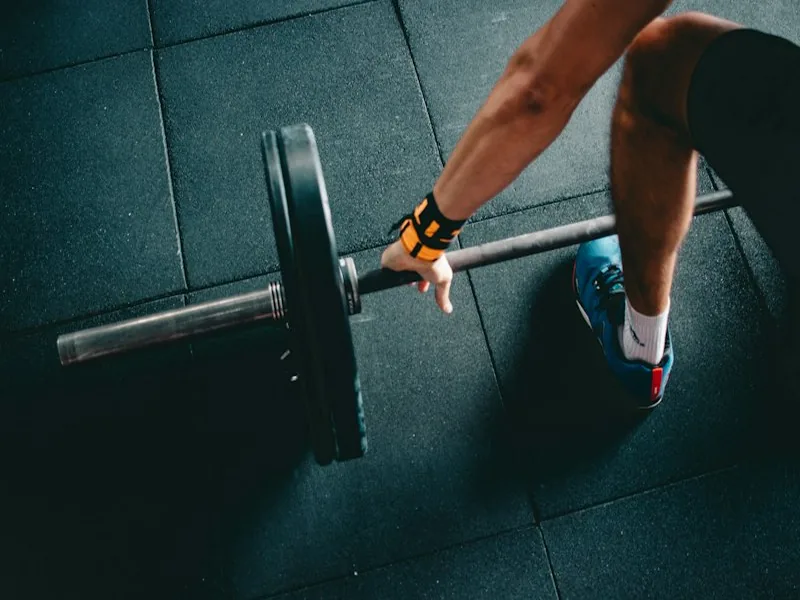
Evidence-informed return-to-play programs for athletes of all disciplines, covering ACL tears, sprains, muscle strains, and biomechanics.
From weekend runners to competitive athletes, sports injuries demand a systematic phase-based approach. We integrate acute pain management, neuromuscular control re-education, agility conditioning, and sport-specific biomechanical training. Our goal is not merely symptom alleviation, but correcting underlying kinetic dysfunctions to drastically reduce re-injury risks.

Back & Neck Pain Management
Relief from disc herniation, sciatica, cervical spondylosis, and chronic postural strain through targeted spinal decompression and core stability.
Chronic spinal discomfort is often a multi-factorial condition influenced by spinal mobility, deep spinal stabilizer endurance, and daily ergonomics. Our specialized cervical and lumbar protocols utilize McKenzie approach principles, myofascial release, neural mobilizations, and progressive deep abdominal and multifidus strengthening to safely restore pain-free movement.
Post-Operative Rehabilitation
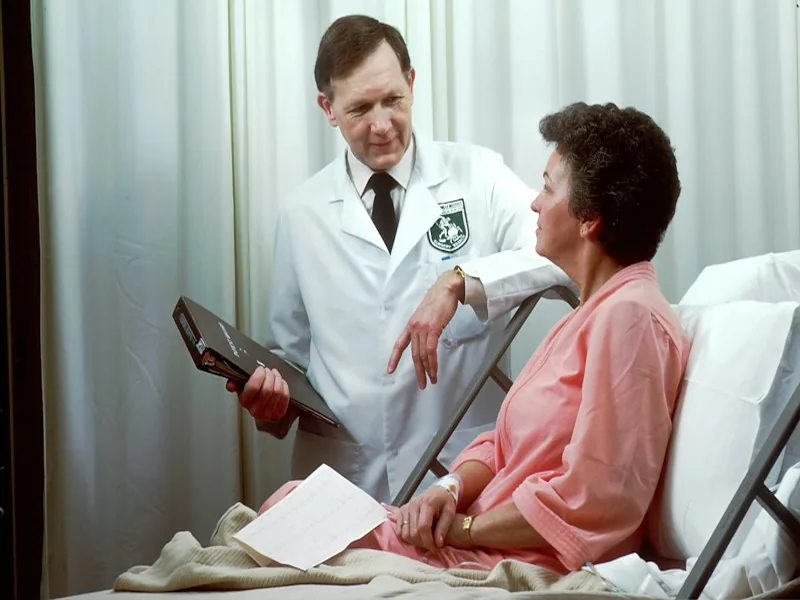
Structured milestone-driven protocols following knee/hip replacements, arthroscopy, spinal surgeries, and tendon repairs.
Surgical intervention is the first step toward recovery; disciplined rehabilitation decides the ultimate functional outcome. Following strict surgeon protocols, we guide patients through early lymphatic drainage, swelling reduction, gentle passive range of motion, muscle reactivation, and progressively intensive functional weight-bearing routines.
Joint Pain Management
Non-invasive, joint-preserving care for frozen shoulder, hip pain, knee wear, and bursitis designed to delay or avoid surgery.
Degenerative joint wear and capsular restrictions restrict daily living. We utilize high-precision joint mobilization techniques, peripatellar release, thermal modalities, and tailored closed-kinetic-chain exercises to improve synovial fluid circulation, reduce local inflammation, and build supporting musculature.

Posture Correction & Ergonomics
Clinical analysis of desk-bound postural syndromes, forward head posture, rounded shoulders, and repetitive strain injuries.
Sedentary desk lifestyles often create chronic muscle imbalances—inhibited glutes, tight hip flexors, weakened scapular retractors, and persistent upper-trap spasms. We deliver ergonomic workplace audits, targeted stretching, and postural kinetic retraining to alleviate workstation fatigue and maintain spinal alignment.
Neurological Rehabilitation
Motor re-learning, gait training, and balance enhancement for stroke recovery, Parkinsonism, and peripheral neuropathy.
Neurological conditions affect functional independence. Our neuro-physiotherapy focuses on neuroplasticity stimulation through repetitive task training, dynamic balance perturbations, gait re-education, fall prevention techniques, and adaptive motor strategies to maximize daily autonomy.

Senior Citizen Physiotherapy
Gentle, empowering mobility, balance preservation, osteoporosis management, and fall prevention for aging adults.
Maintaining active independence in later years requires thoughtful, compassionate therapy. We build customized, low-impact exercise regimens focusing on balance confidence, bone mineral density stimulation, coordination drills, and joint flexibility to help seniors navigate stairs, walks, and daily routines safely.